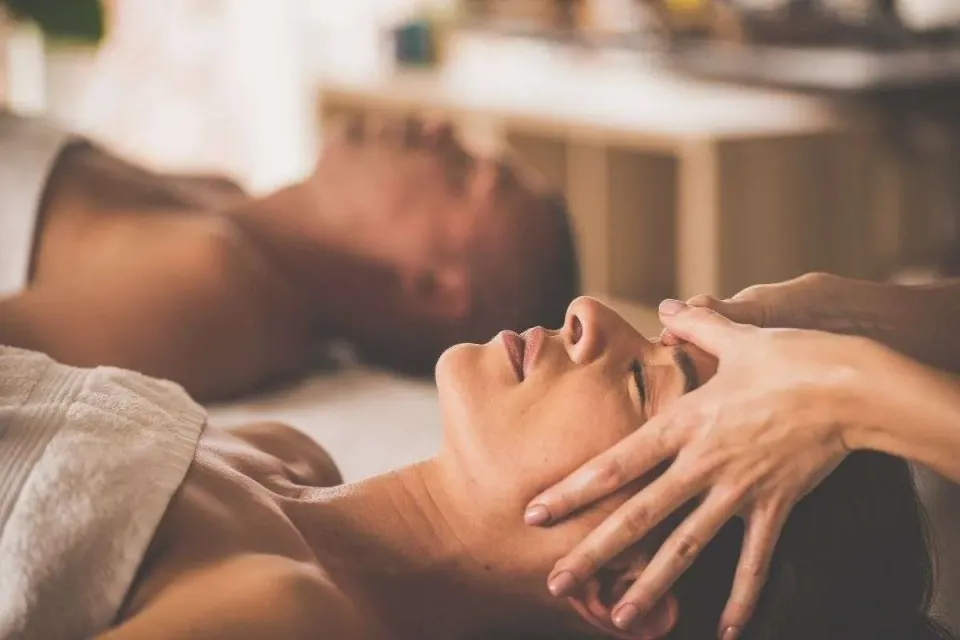
Smart Spa Business’s spa marketing guide gives owners 46 practical ways to attract enquiries, turn them into bookings and encourage return visits. The ideas are grouped by the problem they address, so you can choose an action that fits your available appointments, staff time and costs rather than trying every channel at once.
Choose your starting point
- Few enquiries: check how local clients find you and what your service pages explain.
- Enquiries without bookings: test the booking process and answer the questions delaying a decision.
- Quiet appointment windows: create an offer for that specific gap and cost it before promoting it.
- Few return visits: review the visit itself, your follow-up and the next-booking conversation.
Help nearby clients find and choose your spa
1. Keep your Google Business Profile accurate
Check your category, address, phone number, opening hours and website link. Add practical details a first-time visitor needs, including parking and how to find the entrance.
Google says complete and accurate information helps a business appear in relevant local searches. Its local ranking guidance also explains that location and relevance matter; completing a profile is useful groundwork, not a promise of the top position.
2. Create a useful page for each main service
Give each main service a page that explains the appointment length, price or pricing basis, what the visit includes and how to book. Describe meaningful differences between services instead of repeating the same paragraph with a different treatment name.
Start with the services people already ask about. A prospective client should be able to understand the choice without opening your entire menu.
3. Make the booking journey clear on a phone
Open your website on a phone and book as a new client would. Check whether the booking button is visible, the service names make sense and the total commitment is clear before confirmation.
If someone must call, explain when the phone is answered and how to leave an enquiry. Record confusing steps and fix them before paying to send more people through the same journey.
4. Explain what a first visit involves
Answer the practical questions that can make a new client hesitate: when to arrive, what to bring, where to park and whether a consultation comes first. Explain deposits and cancellation terms before the client commits.
Use a short first-visit section on the service page or booking confirmation. Have the treatment team check anything about preparation or suitability.
5. Show the people and premises clients will meet
Use current photographs of your entrance, reception, treatment spaces and team. A photograph should help someone recognize the business or understand the experience.
Choose images that match your actual positioning. The spa branding guide can help you connect those choices to the kind of business you want clients to remember.
6. Publish answers to questions your reception team hears
Ask the team to record recurring questions without collecting private client information. Turn useful questions into service-page explanations, short videos or booking guidance.
Prioritize questions that affect a decision, such as the difference between two appointments. Check that the answer agrees with the current menu and the advice your staff give in person.
7. Give each location its own practical information
If you operate more than one location, make it clear which services, staff and hours belong to each. Use the correct booking link and show directions for that branch.
Avoid creating pages for towns where you have no meaningful service information to offer. A client needs an accurate destination and appointment, not a list of place names.
Build trust before asking for a booking

8. Ask for honest reviews after a visit
Make the request simple and neutral. A review link in a follow-up message or a QR code at reception lets a client choose whether to share their experience.
Keep review requests separate from rewards. Google permits requests but prohibits incentives for posting, changing or removing reviews. Ask for feedback without requesting a particular rating.
9. Respond to reviews without exposing private details
Thank people for useful feedback and address concerns calmly. If a complaint needs discussion, invite the reviewer to contact an appropriate person privately.
Do not confirm a treatment, medical history or other private detail in your reply. That approach also follows Google’s guidance on protecting reviewers’ privacy. For help with tone and escalation, see the guide to handling negative spa reviews.
10. Use testimonials with permission and context
Choose feedback that helps someone make a decision: a clear explanation, a comfortable first visit or a helpful reception team. Confirm permission before republishing a client's words or image.
Keep the meaning intact. Do not turn one person's experience into a promise that everyone will receive the same result, and send treatment-outcome claims for appropriate professional review.
11. Turn a common question into a short demonstration
Show something useful, such as how to find the entrance, how your consultation process works or what a room looks like before a visit. Keep the explanation focused on one question.
Demonstrate only what you are qualified and authorized to show. A clear explanation can stand on its own without dramatic before-and-after claims.
12. Show how a service fits into a client's day
Explain the practical commitment: appointment length, arrival time and anything the client needs to plan around. Use information approved by the relevant practitioner.
A lunch-break service, for example, needs honest timing. Avoid describing an appointment as quick or convenient if the total visit takes longer than the promotional wording suggests.
13. Introduce your team's actual qualifications
Write brief profiles that explain each person's role, relevant training and the services they provide. Verify names and credentials, and keep the profiles current when your team changes.
For regulated services, confirm the applicable professional titles and scope with the appropriate local authority.
14. Choose local creators by audience fit
Ask a prospective creator where their audience lives and what content they would make for your spa. Agree on the deliverables and permission to reuse the material. Decide how you will recognize enquiries from the collaboration.
For promotions affecting US consumers, payment or a free treatment can create a relationship that needs disclosure. The FTC's influencer guidance says that disclosure should appear with the endorsement and be easy to notice.
Create promotions your schedule and costs can support

15. Offer an add-on with a clear cost limit
Choose an optional extra that fits the appointment without disrupting the next booking. Include staff time, product use and room occupancy when judging its cost.
Compare the offer with the normal service price before publishing it. The spa service pricing calculator can help with the entered costs, but your decision also needs to account for overhead and the effect on the rest of the schedule.
16. Target a genuinely quiet appointment window
Check bookings by day and time before deciding when an offer should run. If the gap is a particular afternoon, make the promotion specific to that window.
Track whether the offer attracts additional visits or simply moves existing clients away from another appointment. Use the occupancy rate calculator to establish a starting measure.
17. Make an introductory offer easy to understand
State who qualifies, what the appointment includes, the price and any restrictions before someone books. Give the reception team the same wording.
Decide what a suitable next visit would be, then explain the normal price clearly. A heavily discounted first appointment is difficult to evaluate if you never check whether the client returns.
18. Package services that belong together
Build a package around a coherent visit rather than adding unrelated treatments to create a larger discount. Check the combined appointment time, staffing requirements and suitability with the treatment team.
Use the revenue per treatment calculator as one measure when comparing offers. Revenue per appointment is not profit; the package still has to cover its costs.
19. Build an occasion offer around a real need
For a birthday, bridal visit or other occasion, explain who the package suits and what needs planning in advance. Provide the full price and booking requirements in one place.
Choose occasions your clients ask about. If a promotion needs fresh photography, a new booking setup and staff briefing, include that work in the decision to run it.
20. Make gift cards straightforward to buy and use
Explain delivery options, redemption and any restrictions before purchase. Check that the buyer can easily understand what the recipient will receive.
Have the terms checked for the market where you sell. Keep a record of outstanding gift-card commitments so a successful campaign does not surprise the team when recipients book.
21. Check capacity before promoting group bookings
Work out how many clients you can accommodate at the same time, which spaces are available and how the schedule will run. Name a contact person for the organizer.
Explain deposits, changes and cancellations clearly. If a group booking occupies most of your available appointments, compare its contribution with the bookings you would otherwise expect.
22. Give every promotion a real end point
Use a genuine booking deadline, appointment window or stock limit. Remove expired promotional messages from the website and make sure the team knows when an offer ends.
Before launch, write down the result you want to evaluate. An offer designed to fill a quiet afternoon should be assessed against that afternoon's attended appointments and costs.
Check the numbers behind your next offer with the free spa business calculators.
Give clients a reason to return
23. Offer to arrange the next visit before checkout
Make the next-booking conversation helpful and optional. Ask about the client's preferences and availability, and follow the practitioner's advice on any treatment interval.
Give staff a clear way to record a declined offer without pressuring the client. Review how many people leave with another appointment and how many later attend it.
24. Send a useful welcome message
For people who have agreed to hear from you, introduce the business and explain what messages they can expect. Include a useful next step, such as first-visit guidance or a way to ask a booking question.
Keep marketing and essential appointment information distinct. In the US, commercial email needs accurate sender details, a postal address and a clear opt-out under the FTC's CAN-SPAM guidance. Check the rules for your audience elsewhere.
25. Invite lapsed clients back with a relevant message
Define “lapsed” according to the client's usual pattern and the service involved. Someone who visits for an annual occasion should not receive the same reminder as a regular client.
Give the client an easy way to return or update their preferences. Respect their marketing choices, and avoid implying that a treatment is medically necessary to create urgency.
26. Write separate emails for different interests
Let subscribers choose topics where practical, or use information they have knowingly provided for that purpose. Someone interested in gift buying may need different information from a regular treatment client.
Start with a small number of useful distinctions that your team can maintain. Treat sensitive health information separately and have any medical-spa segmentation reviewed before using it for marketing.
27. Use text messages for timely, expected updates
Use SMS when a short message is useful and the recipient has appropriate permission in place. Keep the sender clear, make the purpose obvious and provide an effective way to stop marketing messages.
Check the applicable consent and opt-out requirements before sending. A phone number collected for an appointment should not automatically become permission for every promotional campaign.
28. Choose between a membership and a loyalty scheme
Decide which problem you are trying to solve. A membership creates an ongoing service commitment; a loyalty scheme rewards qualifying behavior over time. Both need clear terms and a cost model.
Compare your options with the membership and loyalty guide. Check capacity, cancellations and the work involved in administering benefits before launching either.
29. Design rewards around behavior you can afford
Choose the behavior you want to encourage, such as returning for an appropriate visit or buying a suitable retail product. Calculate the cost of the reward and explain how it is earned.
The customer lifetime value calculator can help you explore assumptions about repeat business. Treat those assumptions as estimates, and compare them with actual client behavior over time.
30. Ask what prevented the next booking
Invite a short, optional response from clients who are willing to give feedback. Timing, availability, price or an unresolved concern may call for very different changes.
Use the customer satisfaction survey guide to plan clear questions. Decide who will read responses and how the team will act on recurring issues.
Reach clients through local relationships
31. Create a referral invitation clients can explain
Make the invitation easy to share: who the service suits, how a new client can book and any applicable terms. A personal recommendation should not require someone to decode a complicated reward system.
Keep referral rewards separate from review incentives. Medical-spa owners should have any referral payment or incentive arrangement checked before offering it.
32. Build a practical partnership with a nearby business
Identify a business whose customers may have a relevant reason to visit your spa. Agree on a specific activity, such as a shared educational event or a clearly described offer.
Give each business its own way to measure enquiries. Do not exchange customer lists as an assumed part of the arrangement.
33. Put together a clear offer for local employers
Explain what the employer is buying, who can use it and how appointments will be arranged. Keep the administration manageable for both your reception team and the employer.
Check whether you have capacity at the times employees could realistically attend. Avoid promising workplace health outcomes that your offer cannot substantiate.
34. Host a small educational event
Choose a question your team is qualified to answer and make the event useful on its own. Explain the format, who it is for and whether products or services will be offered afterward.
Plan how you will handle enquiries without pushing attendees into unsuitable appointments. Gather marketing permission separately from attendance registration where required.
35. Contribute useful expertise to local media
Offer a focused topic that fits your experience, such as how to prepare for a first spa visit or what to consider when choosing a service. Provide an accurate name, role and business description.
Keep the advice within your qualifications. A clear, relevant contribution is more useful than a general announcement that your spa exists.
36. Test a community event before committing to a season
Choose an event whose visitors overlap with the people you serve. Calculate the stand fee, staffing, materials and time away from the business.
Use a specific booking link or enquiry method so you can follow what happens afterward. Record attended visits as well as useful introductions. A conversation with a potential local partner deserves a follow-up even if it does not produce a booking that day.
Make content useful beyond a single post
37. Choose social topics from actual booking questions
Keep a shared list of questions clients ask before they book. Use those questions to decide what to explain in posts, rather than filling the calendar with unrelated inspirational content.
If you use the spa quotes collection, add a relevant caption in your own voice and check the attribution. A quote alone may not answer a prospective client's question.
38. Turn one useful explanation into several formats
Start with a clear answer from the appropriate team member. Adapt it into a service-page section, a short video and an email where those formats suit the subject.
Keep the underlying facts consistent. Update all versions when the service or advice changes, and avoid turning a brief explanation into a stronger claim for social media.
39. Publish a helpful seasonal planning guide
Cover the decisions clients need to make ahead of an occasion: appointment availability, gift options or how to arrange a group visit. Check that the services and dates described are current.
Give the guide a clear purpose and remove outdated details when the season ends. Do not add a new year to an old article without reviewing its content.
40. Explain retail products in the context of the visit
Help a client understand what a product is for, how it should be used and when to ask a qualified professional for advice. Use the manufacturer's substantiated information and the team's appropriate expertise.
The spa retail sales guide can help you plan the sales conversation. Keep the recommendation relevant to the client rather than making every visit a pitch.
41. Give each post a relevant next step
Choose the next step that matches the content: read the service information, ask a question, view available appointments or learn about a gift option. Check that the destination delivers what the post promises.
A booking link is useful when someone has enough information to decide. For a more complex service, a clear consultation route may be the appropriate next step.
Test paid promotion and measure what happens next
42. Advertise one service to one relevant local audience
Begin with an offer your team can explain and deliver consistently. Set a budget you can review, choose a relevant audience and decide what counts as a useful enquiry.
Use the guide to spa advertising techniques to compare formats. Confirm that the treatment, wording and targeting meet the platform's current rules before launching.
43. Check geographic targeting against actual enquiries
Set the campaign around the area you can realistically serve. Review where enquiries come from, rather than assuming every click belongs to a nearby potential client.
Google allows regional and radius targeting, but says location signals are not perfectly accurate. Check the distinction between presence and interest in its geographic targeting guidance.
44. Send ads to a matching service page
Match the advertised service, price and terms on the landing page. Make the booking or enquiry option easy to find, and answer the questions needed for that particular decision.
Test the full journey before spending. If a booking happens on another website or through the phone, plan how you will connect the enquiry to an attended appointment.
45. Label campaign links consistently
Use a simple naming convention for links in emails, partnerships and campaigns. Keep a record so different team members do not give the same promotion several names.
Google Analytics can use campaign parameters to identify referring campaigns. Its campaign-link guidance explains source, medium and campaign labels, as well as a content label for distinguishing links. Keep personal and health information out of these labels.
46. Review attended bookings and repeat visits
Track the route from enquiry to booking, attendance and an appropriate return visit. Include promotional costs and the staff time involved when deciding whether to continue an activity.
Check whether the team can handle the extra appointments. Use the staff utilization calculator alongside your booking results, and review cancellations or client complaints before increasing the campaign.
A simple plan for choosing what to do next
Choose a problem you can describe using your own records. Then pick one action from the list, give someone responsibility for it and decide when you will review the result.
| What you are seeing | A useful first action | What to record |
|---|---|---|
| Local people cannot find basic information | Update the business profile and service page | Relevant enquiries and resulting bookings |
| Enquiries stop before a booking | Test the booking journey and answer missing questions | Enquiries, completed bookings and reasons people stop |
| A particular window stays quiet | Test an offer limited to that window | Attended visits, offer cost and booking movement |
| Clients seldom return | Improve the next-visit conversation and follow-up | Return bookings, attendance and feedback |
| Promotions sell but leave little contribution | Review the package's costs and schedule | Revenue, direct costs and staff time |
A practical review note can be short: the problem, the change, the cost, the result and what you will do next. Keep the period and conditions comparable where possible, and avoid treating one good day as proof that a campaign will keep working.
If you need to connect these activities to your wider goals, use the spa business plan guide to organize the decisions.
Get Smart Spa Business tips in your inbox. Subscribe to the newsletter.
Check the skills behind your next campaign
Before adding another channel, check whether someone on the team can complete the work it creates. Use this short exercise to decide what to learn, delegate or simplify.
| Task | Evidence you can complete it | Next action if you cannot |
|---|---|---|
| Explain the offer | A clear service, price, audience and booking step | Rewrite the offer with reception |
| Prepare the material | Current photographs and approved service information | Gather the missing material before scheduling posts |
| Handle enquiries | A named person and agreed response process | Assign coverage during the promotion |
| Judge the result | A record of enquiries, attended bookings and costs | Set up a simple campaign log |
Choose training for the gap you have identified. A course on creating social posts will not resolve a confusing service menu or an unanswered phone. Review the work after the first campaign and update the next learning task from what happened.
Medical-spa owners should have the appropriate qualified professionals check treatment claims, privacy practices and promotional terms for their services and jurisdiction before using them in a campaign.